
Why Light Changes a Property
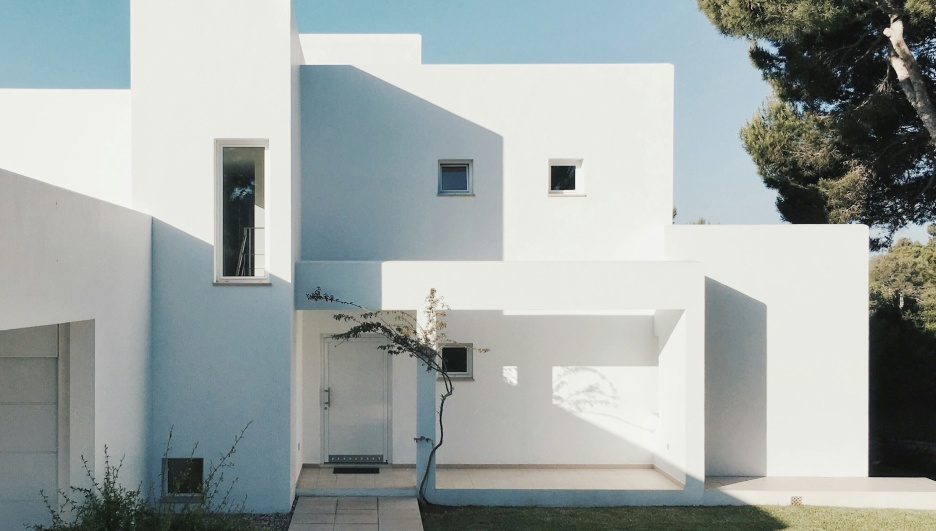
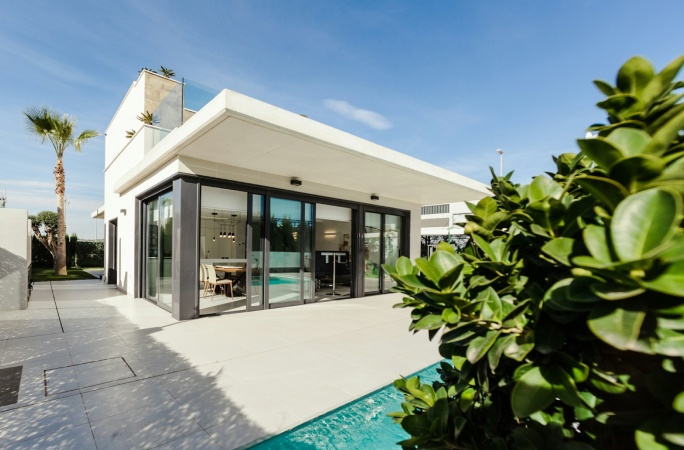
Square footage can be measured in seconds. Light takes longer. It reveals how a home will actually be lived in: where the morning settles, which rooms hold warmth, and whether the architecture remains composed as the day changes.
Read the room at three hours
A viewing at noon offers only one version of a residence. We return in the morning, late afternoon, and after dusk whenever possible. Direction, glazing, neighbouring rooflines, and seasonal shadows can transform the same plan from luminous to flat.
Good daylight is not simply brightness. The best rooms balance direct sun with softer reflected light, protect artwork and finishes, and create useful contrast without glare. That balance is especially valuable in deep plans and period conversions.
The right light gives architecture rhythm; the wrong light makes even generous space feel unresolved. Elise Hart, Editorial Director
Look beyond the photograph
Editorial photography can flatten contrast and conceal the harder edges of orientation. During diligence, we study the unedited view, window depth, privacy lines, artificial lighting, and the cost of improving what the architecture cannot solve alone.
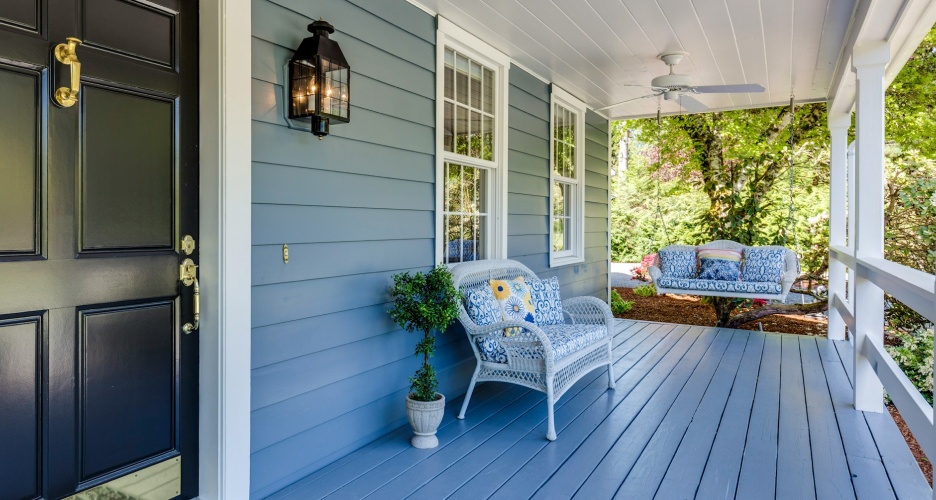
For buyers, this is not a decorative concern. Daylight affects energy, material ageing, planting, privacy, and the emotional ease of daily routines. It belongs in the same conversation as structure, tenure, and price.
Make the viewing work harder
Ask which rooms receive direct sun, when neighbouring buildings cast shadow, and how the home feels in winter. Then pause. A considered residence should still make sense when the staging is gone and the weather is ordinary.


Continue the conversation
Send a private note to the North/8 editorial desk. Nothing is published from this showcase.